
Incontinence is one of the most common yet least discussed health issues in the UK. It can affect anyone, regardless of age or gender, yet stigma often keeps it hidden. For many people, managing incontinence is a daily challenge that extends far beyond the confines of the home.
In public spaces and workplaces, the lack of suitable facilities to dispose of waste within the privacy of a toilet cubicle can turn a manageable condition into a distressing experience.
Creating inclusive washrooms is about dignity, privacy and respect.
What is Incontinence?
Incontinence refers to the unintentional passing of urine or faeces. According to the NHS, more than 14 million people in the UK live with bladder control problems, and a further 6.5 million experience bowel incontinence. It can be temporary or ongoing and may result from pregnancy, menopause, prostate surgery, spinal injuries, medication or long-term health conditions such as diabetes.
Although incontinence is often associated with women, men can also be affected. Many men experience bladder leakage following prostate treatment or as they age, yet few feel comfortable discussing it. The silence surrounding male incontinence makes the problem seem rare, when in fact it is not.
The Hidden Impact of Incontinence
Incontinence is not a life-threatening condition, but it can profoundly affect quality of life. The anxiety of finding a discreet place to change or dispose of products can make people avoid travel, socialising or even work. The result is isolation, embarrassment and a loss of confidence.
In shared environments such as offices, retail spaces and public venues, poor washroom provision adds unnecessary stress. Without appropriate waste bins or disposal facilities, users are forced to carry used products with them in bags or to attempt flush them, which leads to blockages and hygiene issues. These situations are entirely avoidable with proper planning and empathy.
Why Inclusive Washrooms Matter
A truly inclusive washroom is one that considers every user, including those managing incontinence. Providing hygienic, discreet disposal options communicates respect and care for all. It also demonstrates that your organisation takes accessibility seriously.
Adding a dedicated bin in every cubicle is a small adjustment that makes a big difference. It allows individuals to manage their condition confidently and discreetly. Clean, well-maintained bins also prevent unpleasant odours and reduce the risk of contamination or plumbing problems.
Initial UK’s hygiene waste solutions are designed to support businesses and facilities of all sizes. They provide an efficient, compliant and sustainable way to handle incontinence waste responsibly.
Male Incontinence: It’s Time to Talk
For years, male incontinence has been overlooked in public health conversations. Men often feel that washrooms do not accommodate their needs, and the absence of appropriate disposal facilities reinforces that perception.
A simple, effective solution is the male sanitary waste bin. Compact and discreet, it provides a hygienic way to dispose of incontinence products without embarrassment. When available in every cubicle, it normalises the conversation and ensures that men are offered the same level of care as women.
Hygiene, Compliance and Responsibility
Under UK workplace and environmental regulations, organisations have a duty to manage sanitary and incontinence waste safely.
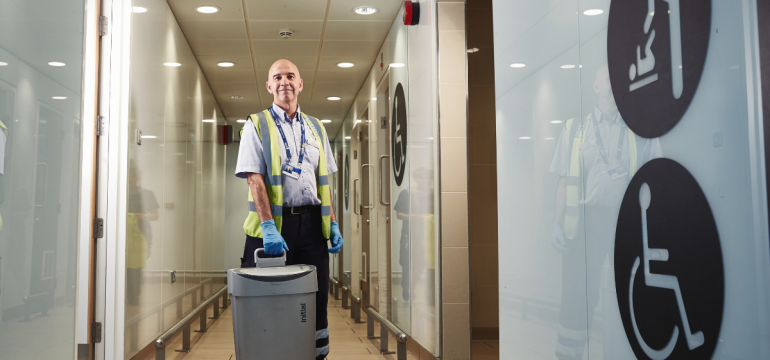
Initial UK’s hygiene waste service includes scheduled collections, safe disposal, and product replacements that comply with waste handling legislation. Our trained technicians manage waste discreetly and professionally, keeping facilities clean, compliant and reassuring for all users.
Encouraging Understanding and Empathy
Incontinence affects people in many different ways. For some, it is temporary; for others, lifelong. What they share is the need for privacy and understanding. Businesses and building managers can help break the stigma simply by ensuring their washrooms are inclusive and well-equipped.
Talking openly about incontinence helps to remove the shame often attached to it. Training cleaning staff to treat the subject with sensitivity, keeping bins clean and accessible, and communicating that facilities are available for everyone, can all help to normalise the conversation.
When design meets compassion, washrooms become places of reassurance rather than anxiety.
A More Inclusive Future
Incontinence should never be a barrier to living, working or participating fully in public life. With thoughtful design and proper hygiene systems, we can remove that barrier entirely. The goal is simple: to make every user feel respected, safe and unseen when they need privacy most.
Inclusivity begins with awareness and ends with action. By providing the right hygiene facilities and regular servicing, businesses contribute to a culture where everyone is treated with dignity.To learn how your organisation can create inclusive, compliant washrooms, explore Initial UK’s hygiene waste solutions, discover our male sanitary bin range, or contact us today.